

ANTI-CORRUPTION FRAMEWORK IN MOROCCO
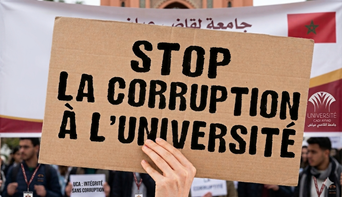
As part of promoting transparency, ethics, and good governance, Cadi Ayyad University (UCA) is aligned with Morocco’s national anti-corruption framework. This framework is based on the 2011 Constitution, which enshrines the principles of accountability, responsibility, and integrity, as well as a set of laws and specialized institutions.
At the core of this system is Law No. 46-19 governing the National Authority for Probity, Prevention and Fight against Corruption, the central body responsible for preventing, detecting, and combating corruption. This independent institution plays a key role in developing national strategies, handling reports and complaints, coordinating stakeholders, and evaluating public policies related to integrity.
Morocco has also adopted the National Anti-Corruption Strategy (2015–2025), aimed at strengthening transparency in public services, improving governance, and promoting the digitalization of administrative procedures. This approach is reinforced by active participation in international initiatives, particularly through the United Nations Convention Against Corruption and cooperation with organizations such as the International Association of Anti-Corruption Authorities.
In both public administration and higher education, strict mechanisms are in place to prevent and sanction illegal practices. The Moroccan Penal Code criminalizes acts such as bribery, embezzlement, influence peddling, and abuse of power. In addition, oversight institutions like the Court of Accounts ensure the monitoring of public resource management, including within universities.
Additional tools further strengthen this framework, including the digitalization of services, transparency in administrative procedures, and whistleblower protection to encourage the safe reporting of misconduct.
Through its adherence to this national framework, Cadi Ayyad University reaffirms its commitment to responsible, ethical, and transparent governance. It thus contributes to fostering a culture of integrity within the academic community and actively supports national efforts to combat corruption.